
The benefits of eating healthy meals can’t be overstated, especially for older adults. Healthy meals for seniors can support not only the body’s physical functions but emotional wellness and brain health as well.
Because our dietary needs change with age, what’s generally considered a healthy diet for younger adults doesn’t necessarily focus on the most nutritious food for elderly people or even middle-aged adults.
Plus, other health concerns may play a role in what seniors eat. For example, dental issues can make it difficult to chew hard or crunchy foods, like nuts or raw fruits and vegetables. And in some cases, certain foods can interfere with the effectiveness of prescription medications.
Lack of appetite, along with a diminished sense of taste, can also affect what older adults eat. Adding to the challenges, a slower metabolism means consuming fewer calories to maintain the same weight — making it more essential than ever to choose nutrient-dense foods that deliver more bounce for the ounce, literally.
How We Approach Healthful Dining at The Seville

Chef Manny, who leads our talented dining team, has more than 40 years of experience in the culinary industry. With a love for cooking that’s rooted in creativity, culture and connection, he believes great food has the power to bring people together — and that’s exactly what he does here at The Seville.
While taking advantage of our partnership with Transformed Culinary Solutions, Chef Manny and our dining team collaborate to craft meals that are both delicious and nutritious. After all, we’re all more likely to enjoy food that’s good for us when it tastes good too, right?
We recognize that for many older adults, the social aspect of an elevated dining experience — like we offer here at The Seville — is at least as important as what’s on the menu.
Our on-site dining venue, Serrano, and our tended beer and wine bar, Paloma, give residents of The Seville convenient, congenial options when they want to savor a delectable meal or meet friends for happy hour.
Foods That Support Memory, Mood and Mental Health
What are the best foods for seniors who want to preserve their cognitive health? It turns out that many are the same foods dietitians and nutritionists recommend for other health considerations, such as cardiovascular health.
For seniors, and anyone else who’s being mindful of the total calories they consume, choosing foods that nourish both body and brain is one of the best ways to make calories count. Fortunately, an impressive variety of foods provide nutritional benefits from head to toe.
These are some of the top foods health experts recommend for brain health that are also beneficial for the rest of the body.
1. Berries (especially dark ones such as blueberries and blackberries). The antioxidants in berries protect the body and brain by fighting inflammation and reducing oxidative stress. Along with boosting the flow of blood to the brain, berries support heart and digestive health.
2. Cruciferous vegetables and leafy greens. From broccoli, Brussels sprouts and cabbage to arugula, kale and spinach, these produce powerhouses are rich in vitamins, minerals, phytochemicals and fiber. Not only do they protect brain cells from free radicals, they also can fight cancer, strengthen bones, boost immunity and support digestive health.
3. Dark chocolate (at least 70% cacao). Dark chocolate contains neuroprotective polyphenols, such as flavonoids, and other nutrients that fight inflammation, guard against heart disease, promote gut health and improve mood. But because dark chocolate is high in fat and sugar, moderation is advised.
4. Eggs. In addition to being a good source of protein, eggs contain choline (in the yolk), a nutrient that may improve cognitive function and slow brain aging. The body converts the tryptophan in eggs to serotonin, a neurotransmitter that regulates mood. If you’re concerned about cholesterol in eggs, talk with your doctor or dietitian.
5. Fish rich in omega-3 fatty acids. Omega-3s help keep brain cells functioning properly by reducing inflammation and oxidative stress. They can also lower the risk of arthritis, depression and heart disease, according to Northwestern Medicine. Harvard Health Publishing notes that omega-3s have been linked to lower blood levels of beta-amyloid, a protein associated with Alzheimer’s disease. Examples of fish high in omega-3s are salmon, sardines and trout.
6. Healthy oils and fats. Like many of the other foods on this list, olive oil is a good source of antioxidants. It’s also high in heart-healthy monounsaturated fatty acids, which can reduce inflammation, increase insulin sensitivity and help with weight management. Avocados are also rich in antioxidants and monounsaturated fats.
7. Legumes. Beans, chickpeas, lentils and other legumes are good sources of B vitamins (including folate and riboflavin) that support cognitive function, memory and the nervous system. They are also high in antioxidants, protein and dietary fiber. Small, but mighty, legumes help stabilize blood sugar and keep energy levels steady, according to Cleveland Clinic.
8. Nuts and seeds. More than an excellent source of protein and fiber, nuts and seeds are high in healthy fats (with some, such as walnuts and chia and flax seeds, rich in omega-3 fatty acids) and antioxidants (including vitamin E). Almonds, Brazil nuts, pistachios, pumpkin seeds, sesame seeds and sunflower seeds are other good choices to support brain health. While dense in nutrients, nuts and seeds also high in calories, so limit portion sizes.
What Are Some Examples of Nutritious Meals for Seniors?
If you’re trying to come up with healthy dinner ideas for elderly family members, these senior meal ideas can get you started:
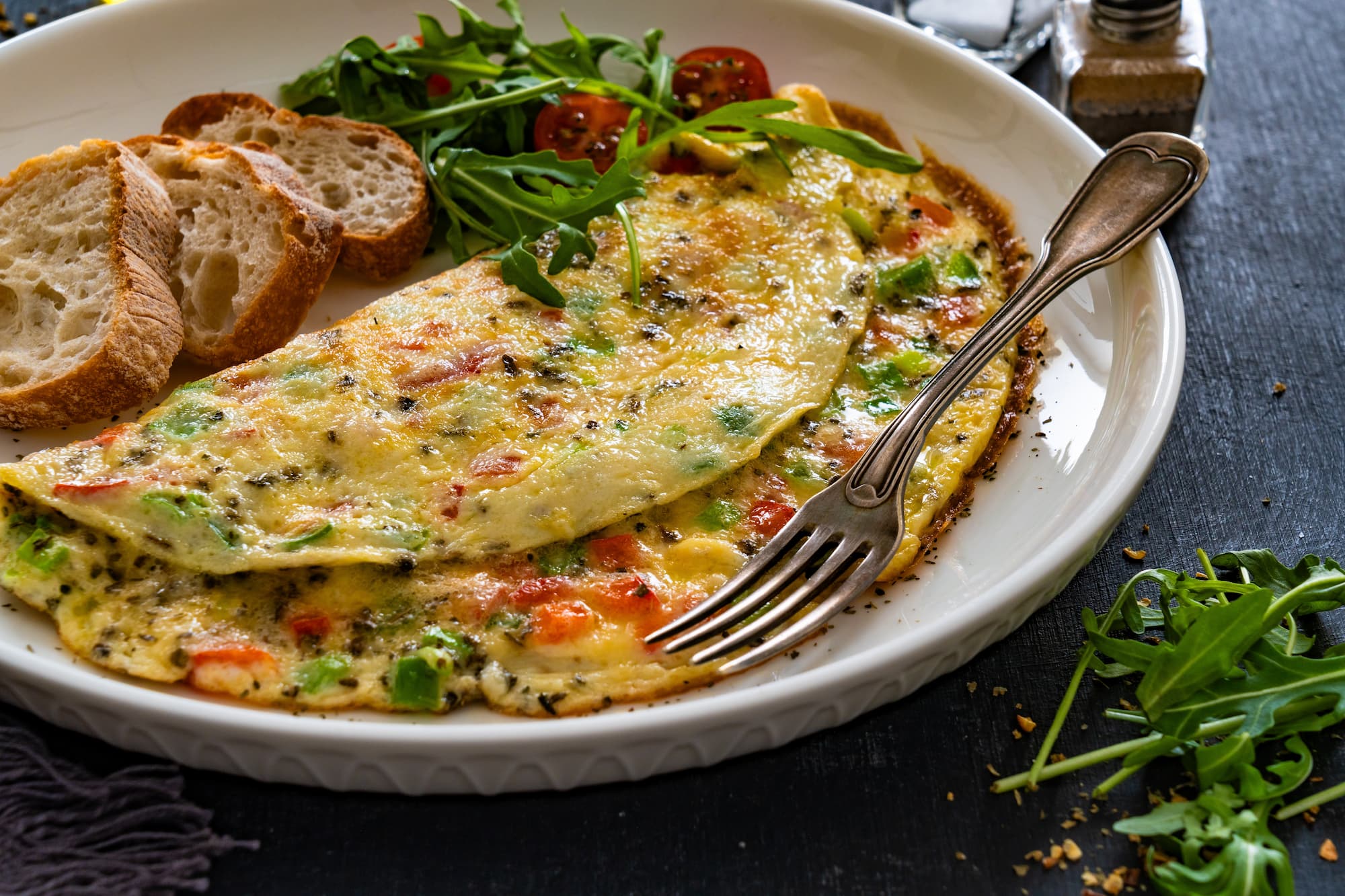
- A frittata or omelet loaded with vegetables such as spinach, kale, mushrooms, onions, bell peppers, broccoli and artichoke hearts
- Baked fish with a side serving of asparagus, broccoli or Brussels sprouts
- Chicken stir-fry with vegetables served over brown rice
- Fresh salad greens with bell peppers, carrots, tomatoes, avocado, sunflower (or pumpkin) seeds and hard-boiled egg slices
- Whole wheat pasta tossed with olive oil, sauteed garlic, sun-dried tomatoes and spinach
Looking for recipes you can use to prepare easy low-sodium meals for seniors? Try these dietitian-reviewed, low-sodium dinners from Eating Well that support healthy aging. With 24 quick-and-easy recipes to choose from, you’re sure to find several that can please even the most discerning palates.
Begin With the Basics and Learn as You Go
Distinguishing between healthy food and unhealthy food doesn’t have to be overly complicated.
As a general rule of thumb, the healthiest choices are natural, nutrient-dense, whole foods that haven’t been overly processed or refined, and don’t have added sugars, fats and artificial ingredients. Most of the foods mentioned in this blog post are whole foods.
By contrast, unhealthy foods are often highly processed and contain artificial ingredients. Most fast foods are unhealthy choices, as are many packaged foods, which are typically high in sodium, saturated fats and added sugars (including sweeteners like high fructose corn syrup).
Reading food labels could be a wise investment of your time, one that may pay exceptional dividends — such as better overall health and possibly even a longer life. If you’re really motivated, working with a dietitian or nutritionist can accelerate your learning curve.
Exploring Senior Living Communities for a Loved One?
If you’ve begun to look into assisted living or memory care for someone who’s near and dear to you, be sure to evaluate the dining options when comparing communities.
Meals are frequently a highlight of the day for many residents and, as we mentioned earlier, it’s often as much about the social opportunities as it is the quality of the food and the care with which it’s prepared.
We invite you to learn more about how and why dining can make such a difference in a community like The Seville. To set up a visit, just fill out our brief online form and we’ll be in touch promptly.
Featured Image: Jacek Chabraszewski / Shutterstock


